Wild Seafood Connection is produced by Colibri NW. Registration is now open for February 26, 2026, in Bellingham.
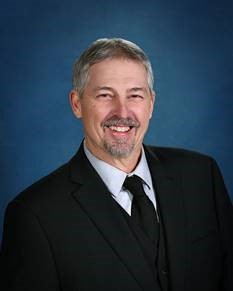
Bobby Briscoe is a fourth-generation fisherman who was born and raised in Bellingham. He is a life-long independent businessman who has operated commercial fishing vessels for more than 40 years out of Squalicum Harbor and has worked in ports from California to Alaska. Bobby Briscoe has served as president of the Puget Sound Crab Fisherman Association.
Commissioner Briscoe and his wife Carol live in Blaine and are the parents of two grown sons and the grandparents of four boys.
Bri Dwyer is the owner and creative director of PGTSND Productions, a full-service production and digital marketing agency. With deep experience working alongside fishermen, seafood brands, and coastal communities, Bri helps small seafood businesses tell clear, compelling stories that build trust and drive growth. PGTSND supports end-to-end projects and DTC marketing strategies across multiple industries, grounded in a simple philosophy: show up prepared, respect the people and the place, and tell stories with conviction.
Amy Grondin is a commercial salmon fisherman and fishes off the coast of Washington and Southeast Alaska. When not on the water, she works as a commercial fishing outreach specialist and sustainable food systems consultant. Amy is on the board of Organic Seed Alliance as well as being a member of Les Dames d’Escoffier and the Local Catch Network. She advocates for sustainable local and regional food systems and has great concern for the sustainability of ocean resources. Port Townsend, WA is her homeport.
Katie Harris is the operations coordinator for the Seattle-based trade association Fishing Vessel Owners’ Association. She is also a grant project coordinator for Eat on the Wild Side, a non-profit maintaining the MSC certification for the Pacific coast halibut/sablefish fixed gear fisheries. Through Eat on the Wild Side, she authored a Saltonstall-Kennedy grant in 2023 and was awarded funding in 2024 to develop a marketing project designed to increase the visibility of the sablefish fishery.
As a loan officer at California FarmLink, Matt Hess works closely with farmers and fishers to understand their businesses and aspirations. He is currently earning an MBA from UC Davis and an MS from Moss Landing Marine Laboratories, honing his experience from a diverse background in marine science, project management, agriculture, and education. Matt is passionate about operational excellence and finance and directs his skill and passion to tackle some of the biggest challenges facing fishing and agriculture businesses. Outside of work, he loves spending time outdoors and considers fatherhood his greatest joy.
Jenna works to address the needs of Washington’s fisheries-dependent communities through targeted outreach and collaborative research. At Washington Sea Grant (WSG) Jenna’s overarching motivation is to strengthen networks among sustainable commercial fisheries, the seafood industry and consumers. Specifically, she strives to 1) support commercial fishers in developing economic resiliency, 2) coordinate career development workshops to encourage the next generation of the commercial fishing fleet, and 3) lead community-based needs assessments to appreciate local needs and concerns related to the fishing and seafood industries.
Prior to joining WSG in 2021, Jenna studied and worked throughout the Pacific Northwest, Alaska and the Intermountain West. She began her career in fisheries as an undergraduate with the School of Aquatic and Fishery Sciences at the University of Washington. Here, she also studied with the Alaska Salmon Program in Bristol Bay, Alaska. Jenna expanded her foundational knowledge of commercial and tribal fisheries management at NOAA’s Northwest Fisheries Science Center, where she monitored salmon populations in the Columbia River headwaters. Jenna earned her master’s degree in aquatic ecology from Utah State University studying aquatic invasive species management. Most recently, she worked with the agriculture industry in central Oregon to develop and implement sustainable water conservation practices. Jenna has always held fisheries close to her heart and she joined the commercial fleet in 2021 as a deckhand in the Bristol Bay sockeye salmon fishery.
Jenna pays close attention to socioeconomic characteristics of Washington’s fisheries because she believes they can help tell a story about the complex interactions between sustainable fisheries and the communities who depend upon them.
Levi has nearly 20 years of experience across the food system, with a growing focus on sustainably sourced seafood. His background in category management, sourcing, and organic standards, combined with hands-on farming experience, provides a strong foundation for translating producer’s stories, values, and production practices into compelling retail-ready products. As the director of business and partnership development at GoodNow Foods, he works at the intersection of manufacturers, buyers, and consumers to help food producers and fisher folks access new markets, build resilient partnerships, and develop products that succeed on shelf while supporting local communities and ecosystems.
Edward Morris is director of sourcing and sales at the Puget Sound Food Hub Cooperative, where he leads initiatives connecting regional farmers and food producers with institutional and wholesale buyers across the Pacific Northwest. With more than 20 years of experience in culinary operations, procurement, and sustainable food systems, Edward works to strengthen transparent supply chains and create market access for local producers. His background includes culinary leadership roles with Bon Appétit and Whole Foods Market.
Meghan Luck was born and raised on her family’s fishing boats in Alaska where she developed an early appreciation for the ocean’s rhythms and the wild foods that sustained her community. Her childhood table was shaped by the seasons: sockeye salmon and berries from summer harvests, elk from fall hunts, foraged mushrooms, and mussels picked off the beach. Only later after a decade in New York consulting for global brands did she realize how rare and formative that relationship to food truly was.
Inspired to reconnect people with nutrient-rich, responsibly sourced wild foods, Meghan returned home to found Fable Fish, a next-generation, wild protein company built on the natural purity of Bristol Bay sockeye. Sourcing from the world’s largest sustainable wild salmon fishery, she is committed to honoring ecosystems, championing regenerative practices, and inviting consumers into a deeper connection with the natural world.
For Meghan, food is more than nourishment, it’s a story, a stewardship, and a way to taste Alaska’s untamed beauty.
Peter and his team work with transit agencies, municipal administrators, elected officials and associations to develop policy, communicate policy to stakeholders and successfully implement public policy in the field. Areas of particular expertise include marine transit policy, industrial and urban land use, print communications and public relations. Peter has more than 40 years of experience in maritime publishing, conference production, industrial and marine lands policy, and advocacy for the maritime and commercial fishing industries. From 1999-2020 Peter was president of Philips Publishing Group and publisher of Fishermen’s News, Foghorn and Pacific Maritime Magazine, monthly magazines for the commercial fishing, marine transit, and maritime transportation industries.

Yakobi Fisheries is family owned and operated, based out of Pelican, AK, in the remote wilderness of Chichagof Island. They process all their locally, hand-caught fish and send it to their warehouse in Juneau for shipping and distribution, run by their partner Chris McDowell. They recently also partnered with Tyson Fick to acquire Taku River Reds.
Seth Stewart, who founded Yakobi Fisheries, grew up in Pelican and fished with family and on his own boat for more than 20 years. He learned firsthand how fresh, wild caught fish can improve your quality of life. With the help of a BS degree in business and the support of his entire family and some local friends, Seth stopped fishing full time and founded Yakobi Fisheries in 2010 to provide the highest quality salmon at the lowest possible price.
In 2015, Yakobi Fisheries moved to their current facility, The Old Crab Plant, previously operated by Pelican Seafoods before it closed around 2010. While continuing to fish their own boat part-time, Seth and his wife Anna began buying the high-quality fish from a select group of local fishermen.
In addition to buying troll and longline fish selectively from about ten local fishermen (including Seth's brother), Yakobi partnered with Tyson Fick to acquire Taku River Reds in 2018. They can now also offer gillnet caught wild salmon, supporting many local gillnet fishermen in the Juneau area. Yakobi Fisheries pay their fishermen a premium price, and in return, they are provided with a premium product.
Jeremy Vrablik is the owner of Cascadia Produce, a small food aggregation and distribution business established in Auburn, WA in 2017. With more than 25 years in regional, fresh food logistics, Jeremy brings deep industry knowledge, as well as understanding of what farmers, fishers, and food businesses need to reach sustainability. In addition to local food aggregation, Cascadia specializes in surplus and retail-rejected food, keeping millions of pounds of edible foods from going to waste each year. Through strategic partnerships and flexible operations, Jeremy has built a system that pays producers for their work and increases access to good food across the state – in particular to the 70+ food security organizations that choose Cascadia for help in sourcing respectful food staples. Jeremy demonstrates that small businesses can move quickly, partner reliably, and fill gaps in local food systems—especially when values lead the work.